Project Firstline: Infection prevention and control is an essential part of caring for and protecting patients and staff

Project Firstline (PFL) is a joint effort of the Centers for Disease Control and Prevention (CDC) and the Vermont Department of Health. The primary goal is to provide infection prevention and control information and training to frontline health care workers and public health personnel. The project aims to empower health care professionals with the knowledge and skills necessary to prevent the spread of infectious diseases, enhance safety, and protect both workers and patients from healthcare-associated infections.

This page is a curated list of free infection control and prevention educational resources that meet the diverse needs and learning preferences of the health care and public health workforce.


More about Project Firstline (CDC) 

Vermont Hospital Antibiograms 

An antibiogram is a key tool for selecting empiric antibiotic therapy. Use your facility’s or local hospital antibiogram whenever possible to choose antibiotics that are most likely to be effective based on local resistance patterns. If you don’t receive an antibiogram annually, contact your laboratory or local hospital. 

This information was put together by the Vermont Antimicrobial Network (VAN), a statewide collaborative to promote antimicrobial stewardship practices.

Brattleboro Memorial Hospital

UVMMC

North Country Hospital

How to Use Your Facility's Antibiogram

  1. Identify the likely pathogen
  2. Choose antibiotics with high susceptibility; aim for ≥80–90%
  3. Consider patient-specific factors like infection site, patient allergies, kidney function, recent antibiotic use, and severity of illness
  4. Reassess when culture results return; narrow therapy or change treatment, as needed

Use an antibiogram when:

  • Selecting empiric therapy before culture results are available
  • Treating common infections (e.g., UTI, pneumonia, skin/soft tissue, bloodstream infections)
  • Supporting antimicrobial stewardship and avoiding unnecessary broad-spectrum antibiotics 

When not to use an antibiogram:

  • After patient-specific culture and susceptibility results are available
  • For unusual pathogens or complex infections where individualized guidance is needed
Simple Clinical Example

A patient presents with symptoms of a UTI and the culture results will take 48 hours.

  1. Identify likely organism: E. coli
  2. Check local susceptibilities
    1. Nitrofurantoin: 94% (preferred)
    2. TMP-SMX: 78% (consider alternatives)
    3. Ciprofloxacin: 61% (avoid)
  3. Choose empiric therapy: Nitrofurantoin
  4. Reassess when culture/sensitivity returns

EMTs

Outpatient Settings (including Dental & Dialysis)

General Outpatient

Dialysis

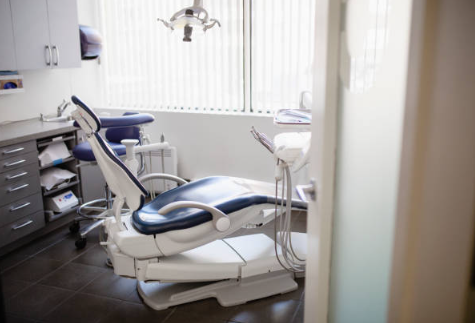
Dental Practices

Last Updated: