Pests and Pest Control in Your Home

Pests in and around our homes can be a nuisance and may affect your health. Pesticides used to control pests can also be harmful, especially to children, pregnant people and pets.

Learn how to prevent and control common household pests, including bed bugs, mice, rats and cockroaches. Find tips for safer pest control, and learn how Integrated Pest Management (IPM) can help control pests while reducing the use of pesticides.


Prevent Pests

Once pests enter your home, they can be difficult to get rid of. That's why it's important to prevent them from entering your home.

Pest-proof your home by:

  • Sealing holes, cracks and openings where pests can enter.
  • Making sure doors and windows fit tightly and have screens.
  • Storing food in tightly sealed containers.
  • Keeping food, crumbs and spills cleaned up.
  • Keeping garbage, recycling and compost in containers with tight-fitting lids.
  • Reducing clutter inside and outside your home where pests could hide.
  • Keeping outdoor areas maintained and removing overgrown vegetation.

^Back to top


Detect Pests

Check regularly for signs of pests in and around your home.

Look for:

  • Rodent droppings or urine stains
  • Gnaw marks
  • Smudges on baseboards
  • Openings where pests may enter
  • Webbing or nests
  • Dead pests

If you find signs of pests or an infestation, address the problem right away.

^Back to top


Treat Pests

How you treat pests depends on the type of pest and the extent of the problem.

Be sure to:

  • Clean up pest droppings and dead pests safely. Wear rubber or plastic gloves, and do not sweep or vacuum rodent droppings.
  • Thoroughly clean and disinfect areas where pests have been found.
  • Seal openings where pests are entering.
  • Use traps and other insect control devices as appropriate.
  • If you use pesticides, choose a product labeled for the pest you want to control and follow the label directions.
Safer Pest Control

Integrated Pest Management (IPM) is a way to control pests while using as little pesticide as possible. IPM focuses first on preventing pests and understanding how they live and interact with their environment. Learn more about Integrated Pest Management (CDC).

Using Pesticides Safely

Pesticides can be hazardous to people and pets. Whenever possible, use prevention and other pest control methods before pesticides.

If you use a pesticide:

  • Use only a product labeled for the pest you want to control.
  • Never use a product labeled "outdoor use only" indoors.
  • Follow the label instructions exactly.
  • Never spray pesticides on top of mattresses or sofas or in areas where children or pets are present.
  • Never use a product without a manufacturer's label.
  • Avoid using insecticide bombs and foggers in your home.
  • Consider hiring a certified pesticide applicator. 

^Back to top


Common Household Pests

Bed bugs

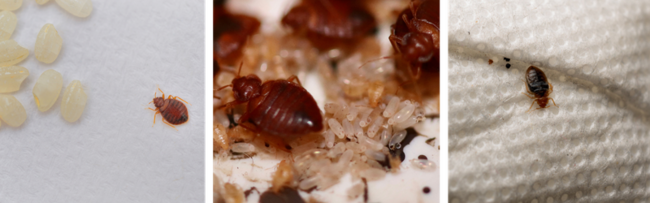
Bed bugs are small, flat insects that feed on blood. They can live in mattresses, furniture, cracks, and other places where people sleep or rest. 

Bed bugs do not spread disease, but their bites can cause itchy skin reactions. Scratching the bites too much can cause an infection.

Images of bedbugs and their eggs up close.

Signs of bed bugs

Bed bug bites can appear as small, itchy red bumps. Some people may have allergic reactions, including large itchy welts, skin inflammation or rashes.

Getting rid of bed bugs

The Health Department recommends primarily using heat treatment to get rid of bed bugs. 

  • You can also use other tools, such as mattress encasements, interceptors or pesticides, in addition to heat treatment. 
  • If you need to use pesticides, hire a licensed pest control professional. 
    • The professional should use the least toxic pesticide, follow the product label directions, and tell you when it's safe to return to the treated areas. 
  • Never spray pesticides on top of mattresses or sofas.

Learn more about getting rid of bed bugs (EPA).

Rats and mice

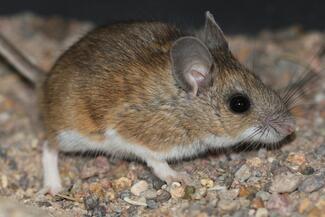
Rodents, like rats and mice, can spread diseases to people through bites, contaminated food or water, and contact with dust contaminated by rodent droppings and other waste.

Hantavirus is a virus found in the urine, droppings, and saliva of certain rodents. Hantavirus can cause a serious disease in humans called hantavirus pulmonary syndrome. Without prompt medical care, the disease can be fatal. 

Signs of rodents

Look for:

  • Droppings around food, in drawers or cupboards, and under sinks
  • Nesting materials such as shredded paper, fabric or dried plants
  • Chewed food packaging
  • Holes in walls or floors
  • Stale smells coming from hidden areas

Prevent and control rodents

Follow these tips:

  • Keep living spaces clean.
  • Seal holes to prevent rodents from entering.
  • Trap mice around your living space to reduce the population.
  • Store food securely and properly.
  • Reduce any potential nesting sites inside and around your home. 

Learn more about controlling rats and mice (EPA).

Cockroaches

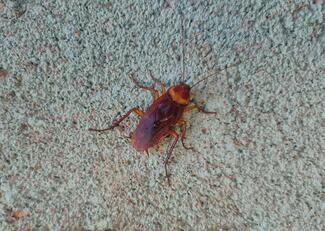
Cockroaches generally live in dark, warm, moist places. They can carry disease and can worsen or trigger asthma.

A cockroach on a wall.

Prevent and control cockroaches 

The best way to control cockroaches is to remove the food source by putting all food in insect-proof containers and cleaning the area.

Learn more about controlling cockroaches (University of Minnesota Extension).

^Back to top


Resources

Download and print the Pests in Your Home fact sheet.

More Information

Last Updated: