
Schools are critical in preventing and controlling the spread of illnesses.
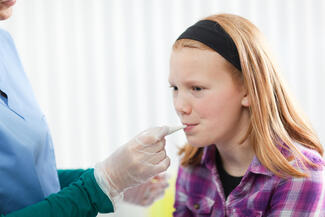
School nurses are key partners in assessing student health, implementing prevention strategies, and coordinating with families, healthcare providers, and the Health Department when needed.
This page offers a hub for guidance to manage infectious illnesses and outbreaks, including when and how to report suspected or confirmed diseases to the Health Department, as required by law.

Need Support? Your Local Health Office is here.
Your Local Health Office can offer consultation, outbreak response support, and guidance on infectious disease prevention and control. We are here to help. Please reach out!
General Illnesses in Schools
Nurses should use clinical judgment to determine whether a student is well enough to remain in school, be sent home, or require further evaluation.
- If a student or staff member is not well enough to learn or participate in school activities, they should be sent home, regardless of whether they are tested for a specific illness.
- School nurses should determine whether a student with symptoms should wear a mask while waiting to be picked up from school.
- A student may return to school once symptoms have improved, and they meet the school criteria for their illness. Testing, such as for COVID-19, should not be required for return.
- Schools should encourage students and staff to stay current on recommended vaccinations.
Everyday prevention measures at school can prevent and control the spread of infectious illnesses. This includes frequent hand washing, covering coughs and sneezes, routine cleaning and disinfection of high-touch surfaces, ensuring proper airflow in shared spaces, and encouraging recommended vaccinations.

