Take steps to protect yourself and others from getting sick this season.

  • Get recommended vaccines. Flu, COVID, and RSV vaccines protect against serious illness. Even if you get sick, they can help make your illness milder and shorter.

  • Wash your hands often and cover coughs and sneezes. Clean commonly touched surfaces.

  • Stay home if you feel sick and avoid close contact with others.

  • Bring in fresh air. Open windows for fresh air, use air purifiers, or gather outdoors when you can. 

  • Know your treatment options. Especially if you have health conditions that put you at higher risk, treatment can help lower your chance of getting very sick.
When illness activity is increasing, or in certain settings, it can be helpful to take extra measures:

  • Wear a mask if you or those around you are at higher risk, or if you’ve been exposed to someone who is sick.

  • Keep distance from other people in crowded or poorly ventilated spaces.

  • Get tested to help guide your next steps. 

Important

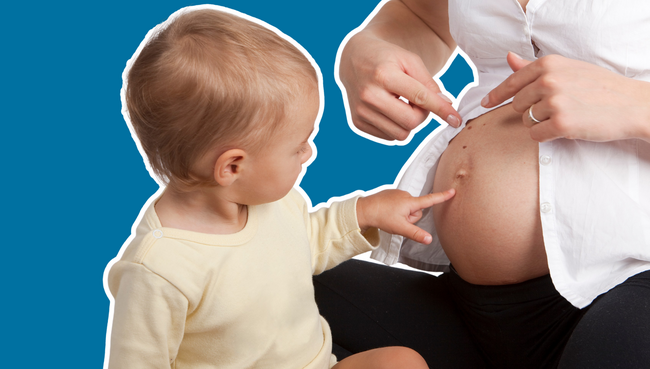
People at highest risk of serious illness:

  • Young children, especially infants 

  • Pregnant people

  • Older adults (ages 65+)

  • People with certain medical conditions, like chronic lung disease, heart disease, diabetes

  • People with weakened immune systems

  • People with disabilities 

Take action if you're at higher risk.

  • Get vaccinated against flu, COVID, and RSV if eligible. Aim for September or October for best protection.
  • Call your doctor right away if you feel sick. Treatment works best when started within a few days. 

  • Caregivers, family and friends: take everyday steps to protect your loved ones.

 Get more information (CDC)

Last Updated: