Vaccines for Children: The Best Protection Against Serious Illnesses
As a parent or caregiver, you make important decisions that affect your children every day, including vaccinations. Vaccines can save your child’s life and the lives of others in your community. In fact, most parents choose to vaccinate their children.

It's OK to have questions about vaccines. Asking questions helps you make the best choices for yourself and your family. Your doctor or pharmacist can provider answers and help you decide which vaccines are right for you. Read more

Looking for child care and school requirements? Click here for information and resources

Protection for you and your baby
Protection against preventable diseases
Staying on track is essential for health and safety
Quick Tip

Navigating Health Information on Social Media

There's a lot of information on the internet for parents about your children's health and it's not always easy to know what's true and what might not be true. Here are some tips, and when in doubt always talk to your trusted health care providers and pediatricians.

  • Consider the creator's credentials. Make sure the creator has the training and background that match their content. Confirm their education and affiliations.
  • Consider the evidence. Look for sources from established research studies and medical organizations, such as the American Academy of Pediatrics (AAP).
  • Look for sensationalizing. Is the content making you feel afraid or confused? Is it making you question things you know to be true? This could be a red flag.

Looking for suggestions on who to follow? The AAP put together a list of pediatrician accounts they trust.

Get the list!

Vermont’s childhood immunization schedule is compatible with the current recommendations of the American Academy of Pediatrics (AAP).


Vaccines During Pregnancy

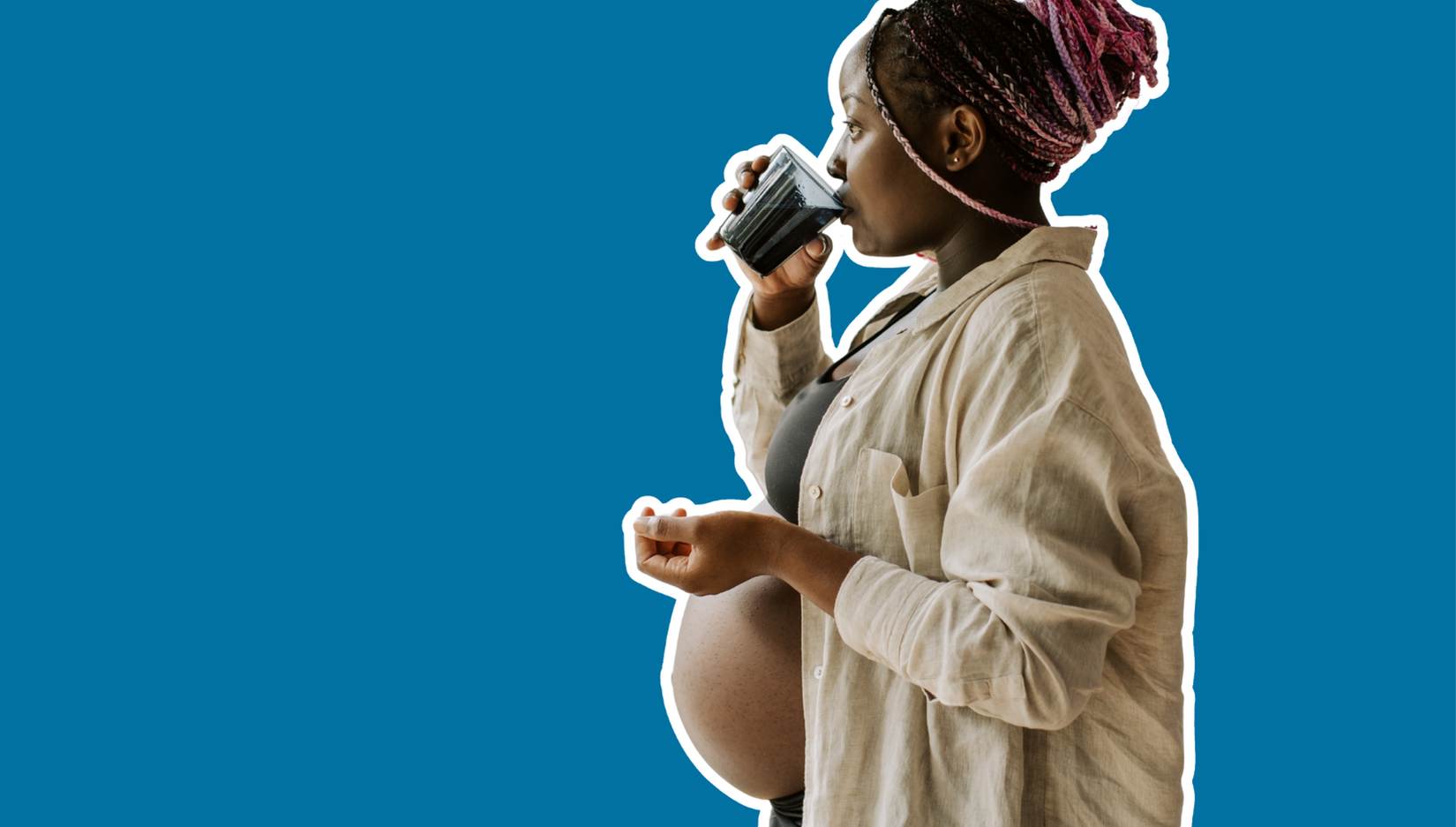
Your health and wellbeing are more important than ever – for yourself and your developing baby. Getting recommended vaccines during pregnancy protects you both. That's because you'll pass on some temporary protection until your baby is old enough to get vaccinated.

  • Tdap: Tetanus, Diphtheria, and Whooping Cough (Pertussis): One dose during every pregnancy between 27 through 36 weeks. 
  • Flu and COVID (seasonally): Recommended for all pregnant people.
  • RSV is the leading cause of hospitalization in babies. Fortunately, there are two options to provide protection, and most babies only need one: the vaccine during pregnancy or the antibody for your baby.
Watch why this Vermont mom chose to vaccinate

back to top.

Vaccines for Infants and Children Age 6 and Under

Your child will be protected against 16 vaccine-preventable diseases by the age of 2 by following the recommended vaccine schedule. They'll also need additional protection before starting kindergarten. 

  • Chickenpox (Varicella): First dose between 12-15 months old; Second dose between 4-6 years old
  • Diphtheria, tetanus, and whooping cough (pertussis) (DTaP): 2 months old; 4 months old; 6 months old; 15 through 18 months old; 4 through 6 years old
  • Haemophilus influenzae type b (Hib): 2 months old; 4 months old; 6 months old (if needed; depends on brand); 12 through 15 months old
  • Measles, mumps, rubella (MMR): First dose at 12 to 15 months old; Second dose at 4 through 6 years old
  • Polio (IPV): 2 months old; 4 months old; 6 through 18 months old; 4 through 6 years old
  • Pneumococcal (PCV): 2 months old; 4 months old; 6 months old; 12-15 months old
  • Hepatitis A (HepA): One dose at 12-23 months; Second dose six months after the first one
  • Hepatitis B (HepB): First dose shortly after birth; Second dose at 1-2 months; Third dose between 6-18 months
  • Rotavirus: 2 months old; 4 months old; 6 months old (depending on brand)
  • RSV: Antibody given as a single shot; all infants under 8 months old who aren't already protected through the maternal vaccine, and some children 8-19 months old
  • Flu and COVID (seasonally): Everyone 6 months old and up

Answers to top questions from parents

Important things to consider (Vaccine Education Center)
Get reassurance from the experts (HealthyChildren.org)
Ways to help your child have a better experience (VaccineInformation.org)
back to top.

Vaccines for Preteens and Teens

Your child is growing up! As they go out and begin to experience the world, staying on track with vaccinations is essential to their health and safety. 

  • Human papillomavirus (HPV): Can be given starting at age 9. Two doses at 11-12 years old, 6 to 12 months apart; If started the series after age 15, then three doses are recommended
  • Meningococcal (Meningitis):
    • MenACWY: Routinely recommended. First dose at 11-12 years old; Second dose at 16 years old
    • Teens and young adults ages 16-23 who are not at increased risk may get the MenB vaccine if they wish after speaking to a provider
  • Tetanus, diphtheria, and whooping cough (pertussis) (Tdap): One dose given at 11-12 years old
  • Flu and COVID (seasonally): Everyone age 6 months old and up
back to top.

More answers to your top vaccine questions

Are vaccines free?

In Vermont, the Health Department provides all recommended childhood vaccines to health care providers, free of charge. Providers may charge a small fee to administer vaccines which is typically covered by insurers. Dr. Dynasaur provides low-cost or free health insurance for children. Even children who are already covered by other insurance may qualify for extra benefits from Dr. Dynasaur.

For more information call Health Access Member Services for Green Mountain Care at 1-800-250-8427. If you can’t locate a health care provider or are uninsured, contact your local health office.

What if my child can't be vaccinated for medical or religious reasons?

If your child cannot be vaccinated due to medical reasons, have your health care provider complete a medical exemption form and give it to your child care provider. If you have religious objections, you must provide a signed exemption to your child care provider annually. Be aware that children with exemptions may not be allowed to attend child care during a disease outbreak.

Read more on vaccination exemptions

Religious exemption form (translated in Español (Spanish))

Required parent education material for religious exemption (translated in Español (Spanish))

Medical exemption form (translated in in Español (Spanish))

Is it better to get vaccinated or get immunity from having the disease?

It is better to vaccinate your child rather than relying on natural immunity from having the disease. Vaccines are specifically designed to stimulate your immune system and provide protection against the disease without causing the actual illness. Relying on natural immunity means they would have to contract the disease, which can have serious health consequences and potentially lead to complications or even death. Additionally, natural immunity may not provide long-lasting protection, whereas vaccines can offer more durable immunity.

Are vaccines safe?

Yes. The AAP immunization schedule was created to protect children from diseases at the earliest time that vaccines are safe and effective. This is based on extensive research and monitoring vaccine safety. The Vermont Health Department also works with health care providers on vaccine handling and storage, record keeping, informing families about risks and benefits and reporting reactions, if they happen. 

Like any medicine, vaccines can sometimes cause side effects. However, serious reactions are extremely rare. The risk of vaccine side effects is far lower than the risk of serious illness from getting the diseases vaccines prevent. Vaccine information sheets describe the benefits and risks of each vaccine. You may wish to review this information before your child’s appointment. Your health care provider will also give you a sheet for each vaccine.

How do vaccines work?

Vaccines contain part of a germ (bacteria or virus) called an antigen, along with small amounts of other ingredients that make the vaccine or maintain its safety and effectiveness. Antigens tell the body to produce an immune response to protect itself against infection. The antigen used in vaccines has been killed or weakened before it's used to make the vaccine, so it can't give you the disease it is protecting you from.

back to top.

Child Care and School Immunization Requirements

Immunization requirements for child care and school help protect kids, families, and communities from serious diseases. When more people are vaccinated, it helps limit the spread of illness, especially for those who can’t be vaccinated or have weaker immune systems.

Enrollment and Vaccine Records

Students must provide documentation of required vaccinations to attend school or child care.

Provisional Enrollment

Children may attend school or child care temporarily if:

  • They are missing required vaccines and
  • They have a scheduled appointment to receive them (following the AAP catch-up schedule)

In most cases, families have up to 6 months to complete required vaccinations.

Requirements by Age/Grade

Kindergarten Entry

Children must have:

  • 5 doses of DTaP (diphtheria, tetanus, pertussis)
  • 4 doses of polio
  • 2 doses of MMR (measles, mumps, rubella)
  • 3 doses of hepatitis B
  • 2 doses of varicella (chickenpox)

Note: If your child has had chickenpox, vaccination is not required. You must provide documentation or complete a Health Department form.


7th Grade Entry

Students must have:

  • All vaccines required for kindergarten
  • 1 dose of Tdap (tetanus, diphtheria, pertussis)
  • For residential students: 1-2 doses of meningococcal (MenACWY), depending on age

College Students

Requirements apply to full-time undergraduate students and any student enrolled in an allied health science program.

Students must have:

  • 1 dose of Tdap
  • 2 doses of MMR
  • 2-3 doses of hepatitis B (depending on vaccine type)
  • 2 doses of varicella
    • If previously had chickenpox, submit documentation or complete a Health Department form
  • 1-2 doses of meningococcal (MenACWY)
    • Required for first-year students under age 22 living in dorms
    • A second dose is needed if the first dose was given before age 16
two middle school students by lockers

School Vaccination Rates in Vermont

See vaccination rates for child care programs, K-12 schools and colleges and universities. 

Go to Dashboard

Last Updated: