Food Safety

Almost everyone has experienced foodborne illness, usually called "food poisoning," at some point in time. Often these illnesses are merely uncomfortable and inconvenient and do not require medical care. However, such infections can also result in very serious consequences, including hospitalization and death.

Changes in the way food is processed and distributed, international markets, and consumer demand have all altered our food supply. Today, food may reach the table through long chains of production, packaging, and transportation providing many opportunities for contamination. All these factors increase the risk for foodborne illness.

Although large disease outbreaks associated with restaurants generally get more media attention, it is just as easy for foodborne illness to occur at home. If food is handled and prepared safely, most of these illnesses can be avoided.

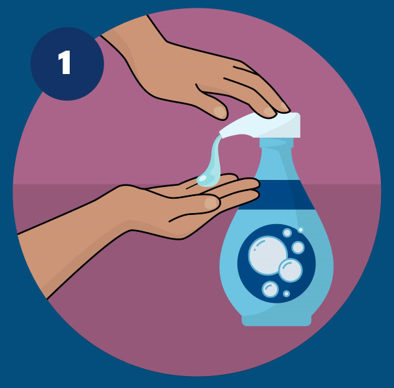
Wash hands and surfaces often

Bacteria is present throughout the kitchen. It can be found on cutting boards, utensils, sponges, counter tops and other surfaces.

Return to Top

Don’t cross-contaminate foods

Cross-contamination is a term used to describe how bacteria can spread from one food to another. For example, cross contamination can occur when vegetables to be eaten raw come in contact with the liquid from raw meat, poultry and seafood.

Return to Top

Cook to proper temperatures

Food safety experts agree that foods are properly cooked when they are heated for a long enough time at a high enough temperature to kill any harmful bacteria that may be present.

Return to Top

Refrigerate foods promptly

Cold temperatures keep harmful bacteria from growing and multiplying. Refrigerators should be set no higher than 40ºF and freezers should be set at 0ºF.

When in doubt, throw it out!

For more information: Division of Health Protection. P.O. Box 70, Burlington, VT 05402 -- Telephone: 863-7221 or (toll-free from within Vermont) 800-439-8550.

Publications and Fact Sheets

Return to Top