Norovirus
- What are noroviruses?
- What are the symptoms of illness caused by noroviruses?
- How serious is norovirus disease?
- How do people become infected with noroviruses?
- How long are people contagious?
- What treatment is available for people with norovirus infection?
- Can a person get this illness more than once?
- Can norovirus infections be prevented?
What are noroviruses?
Noroviruses are a group of viruses that cause the “stomach flu,” or gastroenteritis (GAS-tro-en-ter-I-tis), in people. The “stomach flu” is NOT related to the flu (or influenza), which is a respiratory illness caused by a different virus. The term norovirus was recently approved as the official name for this group of viruses; previously it had been referred to as “Norwalk virus” or “Norwalk-like virus.”
What are the symptoms of illness caused by noroviruses?
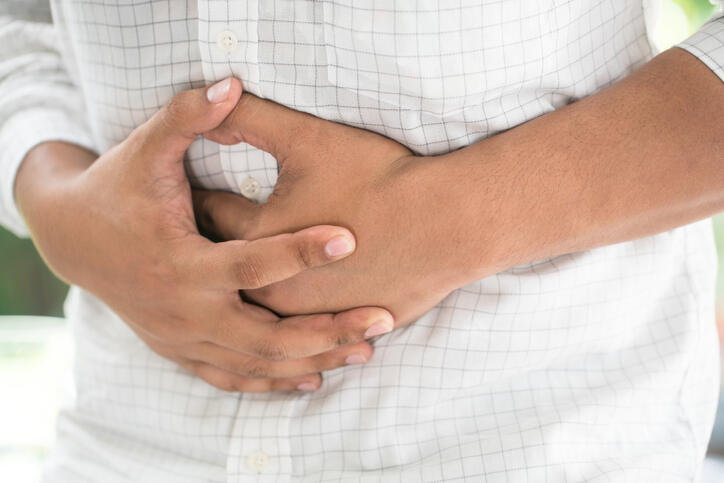
The symptoms of norovirus illness usually include nausea, vomiting, diarrhea, and some stomach cramping. Sometimes people additionally have a low-grade fever, chills, headache, muscle aches, and a general sense of tiredness. The illness often begins suddenly, and the infected person may feel very sick. Symptoms usually begin 24-48 hours after exposure to the virus, but can appear as early as 12 hours.
How serious is norovirus disease?
Norovirus disease is usually not serious, although people may feel very sick and vomit many times a day. Most people get better within one or two days, and they have no long-term health effects related to their illness. Sometimes people are unable to drink enough liquids to replace the liquids they lost because of vomiting and diarrhea. These persons can become dehydrated and may need special medical attention. There is no evidence to suggest that an infected person can become a long-term carrier of norovirus.
How do people become infected with noroviruses?
Noroviruses are found in the stool or vomit of infected people. People can become infected with the virus in several ways, including:
- Eating food or drinking liquids that are contaminated with norovirus.
- Touching surfaces or objects contaminated with norovirus, and then placing their hand in their mouth.
- Having direct contact with another person who is infected and showing symptoms (for example, caring for someone with the illness, sharing foods or eating utensils with someone who is ill).
Noroviruses are very contagious and can spread easily from person to person. Persons working in day-care centers or nursing homes should pay special attention to children (especially those in diapers) or residents who have diarrheal illness which may be caused by norovirus. This virus can spread rapidly throughout such environments.
How long are people contagious?
People infected with norovirus are contagious from the moment they begin feeling ill to at least three days after recovery. Some people may be contagious for as long as two weeks after recovery. Therefore, it is particularly important for people to use good handwashing and other hygienic practices after they have recently recovered from norovirus illness.
What treatment is available for people with norovirus infection?
Currently there is no antiviral medication that works against norovirus and there is no vaccine to prevent infection. Norovirus infection cannot be treated with antibiotics. This is because antibiotics work to fight bacteria and not viruses. When people are ill with vomiting and diarrhea, they should drink plenty of fluids (oral rehydration fluids, juice or water), to prevent dehydration. Sports drinks do not replace the nutrients and minerals lost during this illness.
Can a person get this illness more than once?
Yes. There are many different kinds of noroviruses, and being infected with one does not prevent infection from another kind at a later time.
Can norovirus infections be prevented?
Yes. You can decrease your chance of coming in contact with noroviruses by following these preventative steps:
- Frequently wash your hands, especially after toilet visits, changing diapers and before eating or preparing food.
- Carefully wash fruit and vegetables, and steam oysters before eating them.
- Thoroughly clean and disinfect contaminated surfaces immediately after an episode of illness by using a bleach-based household cleaner.
- Immediately remove and wash clothing or linens that may be contaminated with virus after an episode of illness (use hot water and soap).
- Flush or discard any vomitus and/or stool in the toilet and make sure that the surrounding area is kept clean.
Persons who are infected with norovirus should not prepare food while they have symptoms, and for three days after they recover from their illness. Food that may have been contaminated by an ill person should be disposed of properly.
For more information
Call the Health Surveillance Division at 802-863-7240 or 1-800-640-4374 (toll free in Vermont)