
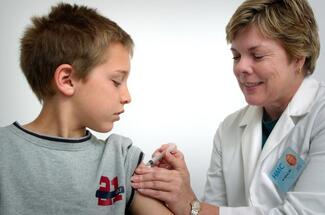
Flu Vaccine Clinics
The Home Health Agency flu clinics for the 2011-2012 flu season have finished. Vaccine may still be available from these other locations.
The CDC and Health Department recommend
everyone aged 6 months and older get a flu shot.
- Find a flu clinic
- Who should get a flu shot
- Where to get the flu vaccine (clinics, pharmacies, more)
Flu Clinic Finder
Information about the Flu Clincs
The flu clinics are provided by members of Vermont Assembly of Home Health Agencies, including the Visiting Nurses Association, and Home Health and Hospice Agencies.
Clinic fees vary. All agencies accept Medicare, so please bring your card.
If you have any questions, please contact the clinic directly.
More Information
Flu Information Line
Dial 2-1-1, or visit online at Vermont211.org
Where to get the flu vaccine?
Flu vaccine is available in many locations, including flu clinics, college health centers, urgent care facilities, your District Health Office, pharmacies, supermarkets, and many employers.
Even if you or your child do not have a regular health care provider, it will be easy to get vaccinated.
For Children
- Your child's pediatrician - Call pediatrician for an appointment
- District Health Offices - for children ages 6 months to 18 years who do not have a pediatric provider
For Adults
- Flu Clinics
- Your doctor or health care provider - Call provider for an appointment
- Pharmacies, supermarkets, & discount stores - Watch for local notices
- College health centers
Who should get vaccinated?
Everyone over the age of 6 months
All children 6 months up through 8 years of age getting a flu vaccine for the first time need two doses, at least 4 weeks apart, the first year they are vaccinated in order to develop immune protection. This includes children who received one or two doses of the 2009 H1N1 flu vaccine, but who have never received a seasonal flu vaccine.
People at high risk of having serious flu-related complications
It is especially important that people at increased risk of serious flu complications get vaccinated against the flu. This includes:
- People 50 years of age and older
- Young children, especially younger than 2 years old
- People with chronic lung disease (such as asthma and COPD), diabetes (type 1 and 2), heart disease, neurologic conditions, and certain other long-term health conditions
- Pregnant women
People who live in nursing homes and other long-term care facilities - People who live with or care for those at high risk for complications from flu, including health care workers, and household contacts
Seniors
This season, people 65 years and older will have two flu shots available to choose from - a regular dose flu vaccine and a new flu vaccine designed specifically for people 65 and older with a higher dose. This should result in a stronger immune response. Both vaccines will protect against the same three flu viruses. Talk to your health care provider about the best option for you.
Protect against Pneumonia
Ask your health care provider about getting the pneumococcal vaccine to protect against pneumonia. This is recommended for seniors and others who may be at risk of complications from the flu, including younger adults who smoke or have asthma.
Talk with a doctor before getting a flu vaccine if you:
- have a severe allergy to chicken eggs, those with an allergic reaction to flu vaccines in past should not receive vaccine, but should talk with their doctor about other ways to prevent getting ill with flu
- have ever had Guillain-Barré Syndrome (a severe paralytic illness, also called GBS), should talk with their doctor about the risks and benefits of getting flu vaccine.
- are ill with fever should wait until symptoms pass to get vaccinated.
If you get the flu you can ask your doctor about antiviral drug treatment.
Contact Us
If you have questions or need information about the flu or the vaccine, dial 2-1-1, call your health care provider, or send us an email.

