Facts About E. coli 0157:H7
- What is E. coli 0157:H7 infection?
- Who gets E. coli 0157:H7 infection?
- How is E. coli 0157:H7 infection spread?
- What are the symptoms of E. coli 0157:H7 infection?
- How soon after the exposure do symptoms appear?
- What is the treatment for E. coli 0157:H7 infection?
- What complications can result from infection with E. coli 0157:H7?
- How can infection with E. coli 0157:H7 be prevented?
What is E. coli 0157:H7 infection?
E. coli are coliform bacteria that normally live in the intestines of humans and animals. Although most strains are harmless, several are known to produce toxins that can cause diarrhea. One particular E. coli strain called 0157:H7 can cause severe diarrhea and kidney damage.
Who gets E. coli 0157:H7 infection?
Anyone of any age can become infected with E. coli 0157:H7, but the very young and the elderly are more likely to develop serious complications.
How is E. coli 0157:H7 infection spread?
The organism can live in the intestines of some healthy cattle, and contamination of the meat can occur during the slaughtering process. E. coli 0157:H7 infection can be acquired by eating meat, especially ground beef, that is rare or undercooked. Drinking unpasteurized fruit juices, raw milk or sewage-contaminated water can also cause infection, as well as eating contaminated fruits or vegetables. Person-to-person transmission can also occur.
What are the symptoms of E. coli 0157:H7 infection?
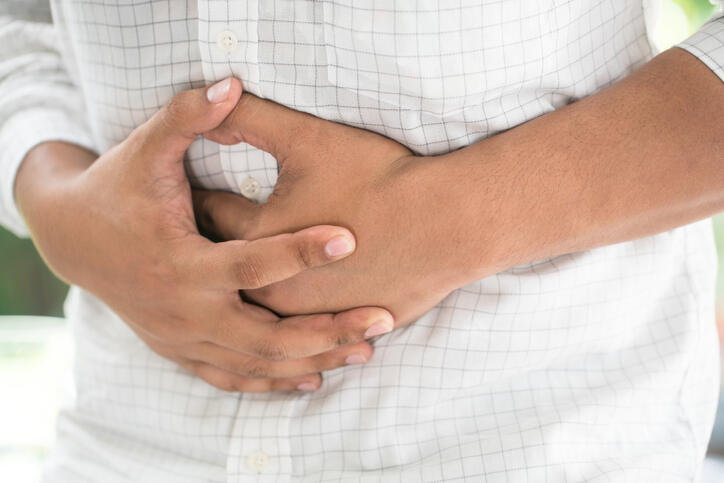
People infected with E. coli 0157:H7 can develop a range of symptoms. Some infected people have only mild diarrhea or no symptoms at all. Most identified cases develop severe diarrhea and abdominal cramps. Blood is often seen in the stool. Usually little or no fever is present.
How soon after the exposure do symptoms appear?
The symptoms usually appear about three to four days after exposure, with a range of two to eight days.
What is the treatment for E. coli 0157:H7 infection?
Most people recover without antibiotics or other specific treatment in five to 10 days. There is no evidence that antibiotics improve the course of disease; treatment with some antibiotics might actually contribute to kidney complications. Antidiarrheal agents, such as Imodium A-D, should also be avoided.
What complications can result from infection with E. coli 0157:H7?
In some people, particularly children under 5 years of age, the infection can cause a complication called hemolytic uremic syndrome (HUS). This is a serious disease in which red blood cells are destroyed and the kidneys fail. Transfusions of blood or blood clotting factors, as well as kidney dialysis, might be necessary. Fortunately, most people with HUS recover completely, but it can be fatal. Parents and caregivers should be alert to symptoms of HUS, e.g., irritability, fatigue, pallor, decrease in urine production. If the child has diarrhea for longer than four to five days or if, after the diarrhea stops, the child does not appear to have fully recovered, the child’s pediatrician should be notified in case further medical intervention is necessary.
How can infection with E. coli 0157:H7 be prevented?
- Do not eat undercooked hamburger or other ground beef products.
- Drink milk, milk products and fruit juices only if they have been pasteurized.
- Eliminate cross-contamination in the kitchen. Keep raw meat separate from ready-to-eat foods, do not put cooked hamburgers on the unwashed plate that held raw patties, and wash countertops, cutting boards and utensils after they touch raw meat.
- Wash all fruits and vegetables thoroughly, especially those that will not be cooked before eating.
- Avoid swallowing lake or pool water while swimming.
- Wash hands carefully with soap and water after using the toilet, changing a child’s diaper, and before and after working with food or handling farm animals.
- People ill with diarrhea should avoid swimming in public pools or lakes, sharing baths with others and preparing food for others.
For further information about E. coli 0157:H7 infection, call the Vermont Department of Health, Epidemiology Field Unit, 800-640-4374 or 863-7240.