
What: Harmful cleaning products, such as drain cleaners, floor-care products, oven cleaners, window sprays, disinfecting wipes, furniture and metal polishes, pesticides, essential oils and laundry products.
Why: These chemicals can irritate the eyes, skin and lungs, and worsen conditions such as asthma.
How: Use products that are third-party certified to be safer for health and the environment or make your own cleaning products. Get started with our Living Green Guide or watch our video on making a non-toxic, all-purpose cleaner. Carefully follow any instructions for use and storage provided on product labels.
Steps: Choose products that have a third-party certification like EPA’s SaferChoice or Green Seal® and store them safely. Check the labels of household products for words such as “caution,” “warning,” “danger,” or “poison.” Do not flush these products down the toilet, or pour them into sinks, drains, storm drains or onto the ground. Check with your local waste management district for information on how to properly dispose of household hazardous waste.

What: Alcohol, tobacco or nicotine products, and other drugs – including prescription medications and cannabis.
Why: To prevent substances from being swallowed accidentally.
How: Keep potentially harmful substances out of sight and out of reach for children and pets.
Steps: Place harmful substances on high shelves, behind closed doors, install child-proof latches, lock medicine cabinets. Learn more about safe disposal

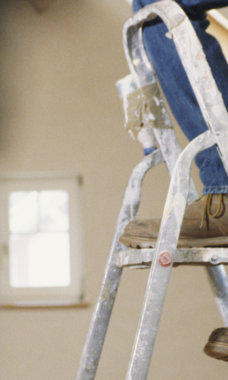
What: Lead was commonly used in paint – as well as stain, varnish and seals – made before 1978. When lead-based paint chips, peels or is disturbed, it creates harmful dust.
Why: Anyone can swallow or be exposed to lead dust and become poisoned, but young children, pregnant people, and pets are especially at risk.
How: Use lead-safe cleaning and lead-safe work practices to keep your home free of lead dust.
Steps: When cleaning, use a High Efficiency Particulate Air (HEPA) vacuum (look for EPA-approved HEPA vacuums - these have the best dust filtration systems), a three-bucket mopping system, or disposable towels to wet-clean windowsills and other hard surfaces. If you're doing renovations or repairs, hire a Renovation, Repair, Painting and Maintenance (RRPM) licensed contractor or use lead-safe work practices if you're doing the work yourself. Learn more about lead hazards and lead poisoning
What: If you use a private water system, you are responsible for testing the quality of your drinking water and maintaining your well or spring.
Why: You can’t see, taste or smell most harmful contaminants in drinking water.
How: Know what’s in your water by testing it and installing treatment if necessary.
Steps: If you have a private well or spring, test your water with the Homeowner Testing Package every five years, and for bacteria every year. Learn more about testing your drinking water

What: Your indoor air may be polluted by things like radon, carbon monoxide (CO), secondhand smoke, and asthma triggers like mold and other harmful air particles.
Why: Breathing air pollutants can lead to allergic and asthmatic reactions, infections, and other health problems related to the lungs, nose and throat. Other indoor air pollutants, such as CO, can cause headaches, nausea, vomiting, and even brain damage and death. Breathing air with radon increases the risk of getting lung cancer.
How: Take the necessary precautions to minimize the risks of indoor air pollutants in your home.
Steps: Order a kit to test your home for radon. Install CO alarms to alert you to dangerous levels of CO. Be on the lookout for mold in areas of your home with water or moisture intrusion, such as leaks in roofs, windows, or pipes — or where there has been flooding. Musty or moldy smells in these areas can be signs of mold growth. Make sure you hire a licensed contractor to handle mold problem areas that are larger than 100 square feet.

The condition of your home and any hazards within it can affect your health and safety. A healthy home helps prevent disease and injury. Here is an expanded list of steps you can take to keep your home healthy.
Improve air quality and reduce pollutants by bringing fresh air into your home and keeping air flowing. Open windows and doors when the weather is good, run bathroom fans while showering, and use kitchen fans while cooking.
Moisture in your home can cause mold to grow and attract pests. Check regularly for water leaks and fix them right away, and clean up any water spills quickly. Assume there is mold in your home or building if it has been flooded and has not been dried out within 24 to 48 hours.
Be sure to clean up dust and dirt, which can trigger asthma and even hide invisible lead and asbestos dust. Pick up clutter, which is a tripping hazard and a hiding place for pests. Use a High Efficiency Particulate Air (HEPA) vacuum with a filter (look for EPA-approved HEPA vacuums - these have the best dust filtration systems), and wet-mop or wet-wipe regularly.
Always make sure poisons are properly labeled and out of children’s reach. Assess your home for surfaces or objects that could cause injuries, especially to children. Make sure smoke alarms are working properly and that your drinking water is free of contaminants.
Regularly inspect your home to make sure it is physically and structurally sound. Keep up with minor repairs to stop small problems from becoming big ones—such as shaky handrails, holes and cracks, and water leaks. Before repair and renovation projects, hire a Vermont licensed asbestos inspector to do an asbestos inspection in your home. Asbestos can be found in many types of building materials and can release harmful fibers if not kept in good shape. If your home was built before 1978, hire a Vermont Renovation, Repair, Painting and Maintenance (RRPM) licensed contractor for renovations, or use lead-safe work practices if you're doing the work yourself.
To help the environment – and save money – make your home energy efficient, choose non-toxic cleaning products, and use non-toxic building materials. These products and materials also help make your home safer.
Pests can cause disease and trigger asthma. Keep these unwanted guests away by keeping your home clean, storing food properly, closing trash containers, and sealing holes and cracks. But be sure to avoid using dangerous chemicals and pesticides to remove pests.
Follow practices to keep your home safe from lead and asbestos. Minimize the use of toxic household cleaners, pesticides and other chemicals.
Test your home for radon, a naturally occurring radioactive gas that enters homes through soil, crawlspaces, and foundation cracks. Keep your home free of tobacco smoke. Use efficient wood burning stoves, and make sure carbon monoxide (CO) alarms work properly.
Healthy Homes Lead Poisoning Prevention Program
Phone: 802-863-7220 or 800-439-8550 (toll-free in Vermont)
Fax: 802-863-7483
Email: [email protected]